ACL Injury? Here Are Your Best Treatment Options
A torn ACL can sideline you in an instant, and you have more treatment choices than you might think. This article explains when physical therapy may be enough, how ACL repair and ACL reconstruction compare, and what recovery looks like, plus tips for those seeking the best ACL doctor in San Francisco.

Contents
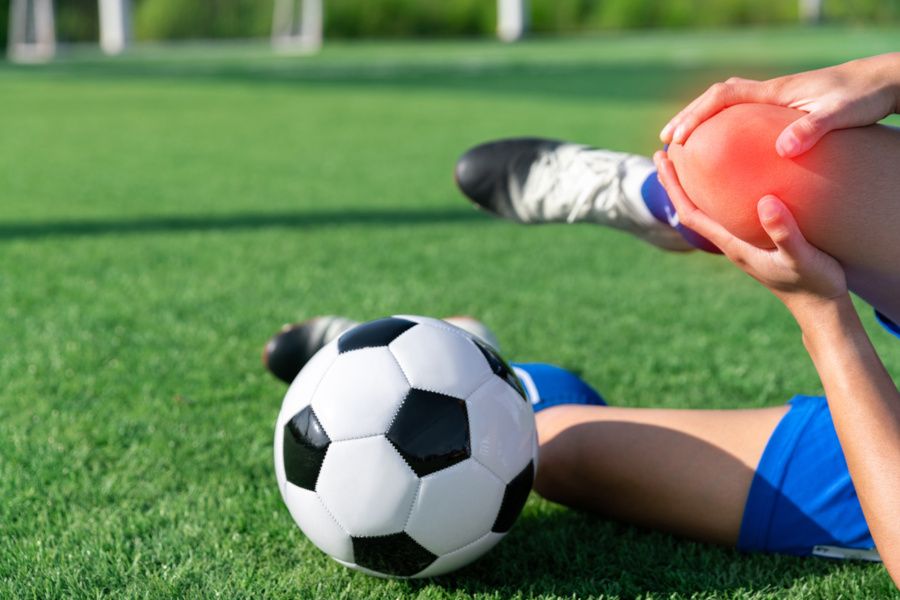
One wrong step on the soccer field, a hard landing after a rebound, or a sudden stop on a ski run can change how your knee feels in a split second. Many people feel a loud pop, then swelling and a knee that feels loose or wobbly. A national study published in The American Journal of Sports Medicine found that ACL reconstructions in the U.S. rose from about 86,700 in 1994 to nearly 130,000 in 2006.
Today, a torn ACL has more treatment paths than ever before. The right one depends on how badly the ligament tore and how you want to use your knee. Below, we walk through each option in plain language, along with tips for those looking for the best ACL surgeon in San Francisco.
What Happens to Your Knee When You Tear Your ACL?
The anterior cruciate ligament (ACL) is a strong band of tissue in the middle of your knee that connects your thigh bone to your shin bone. It keeps your shin from sliding forward and steadies the knee when you twist or change direction.
An ACL tear can range from a mild stretch to a complete rupture. Some people also damage the meniscus, the cartilage cushion between the bones, at the same time. An early exam and MRI show your doctor exactly what tore so they can match you with the right plan.
Can a Torn ACL Heal on Its Own Without Surgery?
A question we regularly hear is, “Can I skip surgery and let my ACL heal by itself?” A completely torn ACL usually can’t reattach on its own, because the ligament floats in joint fluid and has a weak blood supply. Still, plenty of people do well without surgery, especially when the tear is partial.
Nonsurgical care may be a good fit for people who:
Have a partial tear and a knee that still feels steady
Stick to straight-line activities like cycling, swimming, or jogging
Have health concerns that make surgery riskier
Want to try physical therapy first
Physical therapy builds strength in the thigh and hip muscles so they can help hold the knee steady, and a brace adds support during activity. The main downside is that a knee that keeps buckling can slowly wear down the meniscus and cartilage. If your knee gives out again after therapy, it’s time to talk about surgery.
Is ACL Repair or ACL Reconstruction the Better Choice?
Surgery usually means one of two approaches. ACL repair sews your own ligament back to the bone with strong sutures and a small anchor that your body slowly absorbs. It works best when the ligament pulls straight off the thigh bone, and the tissue still looks healthy.
ACL reconstruction replaces the torn ligament with a new piece of tendon, called a graft. Surgeons choose reconstruction for most tears, especially those through the middle of the ligament, where the frayed ends can’t come back together. For patients weighing ACL repair in San Francisco, imaging helps show whether the tissue is worth saving. Our guide on how an ACL reconstruction surgery differs from an ACL repair takes a closer look.
Which ACL Graft Works Best for Athletes?
Your surgeon will weigh your age, sport, and knee anatomy before recommending a graft. The most common choices include:
Patellar tendon: This strong graft from the front of your knee heals bone to bone, though some people feel soreness when kneeling.
Hamstring tendon: Taken from the back of your thigh, this graft tends to cause less pain at the front of the knee.
Quadriceps tendon: This thick, sturdy graft from just above the kneecap has become a popular pick for active patients.
Allograft: Donor tissue can ease early recovery, though it carries a higher retear risk for young athletes in pivoting sports.
Some surgeons also use an all-inside technique, which drills small sockets from inside the knee and secures the graft with tiny buttons on the bone. Studies haven’t shown better long-term results with this method, but patients tend to report less scarring and pain. People searching for the best orthopedic surgeon for athletes in San Francisco will want someone comfortable with every graft type who can explain the pros and cons of each.
Can PRP or Stem Cells Help an ACL Heal Faster?
Orthobiologics use healing materials from your own body to support recovery. During ACL surgery, a surgeon can add platelet-rich plasma (PRP), made from a small sample of your blood, or bone marrow concentrate, a mix rich in stem cells drawn from your hip bone, right at the graft site. These treatments deliver growth factors that may calm inflammation and help the new graft settle into the bone.
Keep in mind that orthobiologics can’t regrow a fully torn ACL by themselves, and researchers are still learning how much they speed up healing.
How Long Does It Take to Get Back to Sports After ACL Surgery?
Most ACL surgery happens in an outpatient setting, so you’ll likely head home the same day. Physical therapy starts within the first week. Many people walk without crutches within two to four weeks and start light jogging around three to four months.
Getting back to soccer, basketball, or skiing takes longer. Most athletes need nine months to a year, and strength testing matters more than the calendar. Coming back too soon raises the risk of tearing the new graft, so a trusted ACL surgeon in San Francisco will check your strength, balance, and confidence before clearing you.
Where to Find the Best ACL Surgeon in San Francisco
Dr. James Chen captained his college soccer team at Swarthmore and now serves as team physician for San Francisco City Football Club and San Francisco Elite Soccer Academy. He holds board certification in Orthopedic Surgery and Orthopedic Sports Medicine, completed a sports medicine and arthroscopy fellowship at UCSF, and has co-authored research on revision ACL surgery in The American Journal of Sports Medicine. Dr. Chen performs ACL repair, all-inside reconstruction, and orthobiologic augmentation, and he records each procedure with 4K arthroscopic imaging so you can see exactly what he fixed.
Our office at 450 Sutter Street sits near the corner of Sutter and Stockton streets, one block from Union Square and a short walk from the Powell Street BART station, with easy access from I-80 and the 101.
Those looking for the best ACL surgeon in San Francisco can book a consultation with Dr. Chen and leave with a clear plan for their knee and their next season.