Injectable Orthobiologics for Pain, Injury, & Recovery
Many people look for pain relief that doesn’t include invasive surgeries. This article explains how injectable orthobiologic treatments from the best orthopedic surgeon in San Francisco can help you heal faster.

Contents
When pain keeps showing up in your day, like the sharp catch in your knee when you stand or the dull ache in your shoulder after a long drive, it’s natural to look for relief that doesn’t involve surgery.
Nearly one in four adults lives with ongoing joint pain that makes everyday movement more difficult. As a result, many people are now looking for minimally invasive, non-surgical treatments that let them stay active without the long recovery times often associated with surgery.
Injectable treatments, often called orthobiologic injections, use your own blood or carefully prepared biologic materials to calm inflammation and support the body’s healing process. In the right situation, these treatments can ease pain, help injured tissue recover, and sometimes delay the need for a more extensive surgical procedure.
Read on to learn more about what orthobiologics can relieve pain and promote healing, the different types of injectable orthobiologics now available, and where to find the best orthopedic surgeon in San Francisco who provides orthobiologics.
What Are Injectable Orthobiologics?
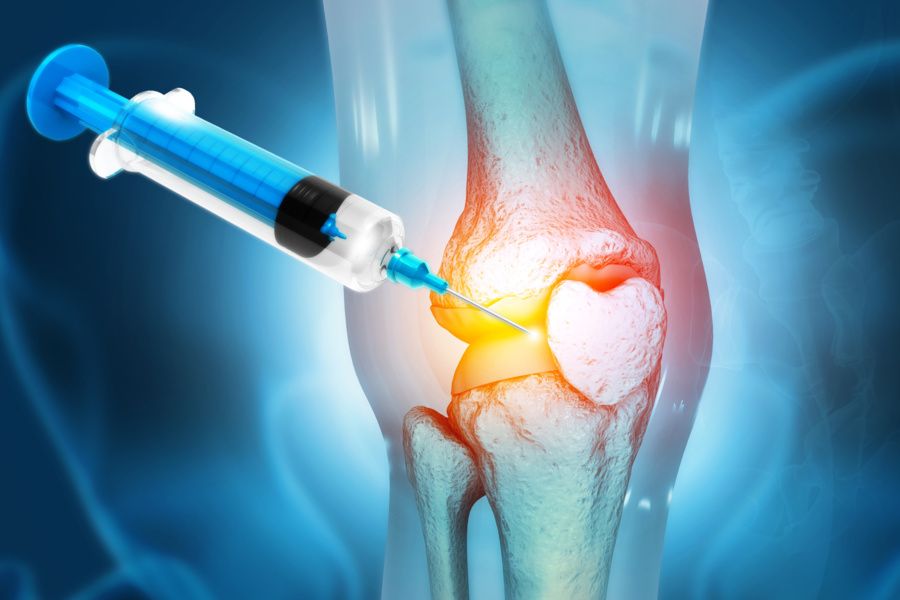
Injectable orthobiologic treatments are targeted shots that go directly into the area causing pain or in need of healing, whether it’s a stiff knee, a sore shoulder, or a tendon that aches every time you reach for something. These injections work by calming inflammation and giving the body a burst of healing cells needed to repair itself.
When Are Orthobiologics Useful?
While traditional treatments like cortisone shots focus mainly on short-term relief by reducing inflammation, they don’t help your body rebuild damaged areas. Orthobiologic injections, on the other hand, are designed to support long-term healing by improving the creation of tissue. People often consider orthobiologics when arthritis makes joints feel tight, or when tendonitis, sprains, and old sports injuries keep flaring up. They can even be used after surgery to ease swelling and help tissue heal with less scar tissue buildup.
Should I get Orthobiologic Injections?
Orthobiologic injections may be right for you if you’re someone who feels their pain has settled into the background of daily life and won’t let go, even after more conservative treatments like stretching, using a brace, ice, rest, and physical therapy.
The best orthopedic surgeon in San Francisco looks at details like your age, how active you are, and what your imaging shows about the condition of your joint or tendon. They also consider how long the pain has been there and what you’ve already tried, whether it’s medications, bracing, or past injections. Orthobiologics may also be helpful if you want to avoid or delay surgery or hope for better healing after a recent procedure.
Who Shouldn’t Get Orthobiologics?
Orthobiologic injections aren’t right for everyone, especially if you have a joint that has advanced bone-on-bone joint damage or if there’s an active infection or medical issue that affects healing.
Common Types of Injectable Orthobiologics for Pain and Recovery
Each orthobiologic product plays a different role in how the body heals, and understanding those differences can make the choices feel far less confusing. The breakdown below offers a straightforward look at what each option is designed to do and the situations where it’s most often used:
Amnion: These products come from the amniotic membrane and fluid of carefully screened donors and contain natural growth factors and anti-inflammatory components. They’re often chosen for stubborn tendon or ligament pain, plantar fasciitis, or irritated joints that haven’t improved with other treatments.
ArthroCell: This is a cell-based allograft that helps support joint health and tissue repair in areas affected by arthritis or injury. It’s a great option for people hoping to reduce pain and maintain motion while delaying joint replacement.
Biologic cartilage grafts: These grafts fill or reinforce areas where cartilage has worn away or been damaged. They are often used with minimally invasive procedures or injections to smooth the joint surface and ease pain.
BioUni OATS: This treatment uses donor bone and cartilage plugs to repair isolated cartilage defects, most commonly in the knee. It’s often considered for active patients who have a single damaged spot rather than widespread arthritis.
Cartiform is a cryopreserved cartilage allograft designed to blend with your own cartilage and support new tissue growth. Surgeons often pair it with specific procedures to repair cartilage defects and protect joint function.
Dermal allografts use donor soft tissue to reinforce weakened or torn tendons and ligaments. They can be used surgically or with biologic injections to strengthen repairs and support long-term stability.
Intraosseous bioplasty treats painful bone marrow lesions, which often feel like deep bruises inside the bone.
Platelet-rich plasma (PRP) uses concentrated platelets from your own blood to reduce inflammation and support tissue repair. It’s often used in joints and soft tissue areas affected by arthritis, tendonitis, and sports injuries.
Stem cell–based therapies use cells taken from bone marrow or donor tissue to encourage regenerative healing in joints, discs, and surrounding tissue. They are often recommended for people with moderate damage who want to postpone or avoid more invasive surgery.
StimuBlast is a bone graft material that helps new bone grow by providing a structure that the body can build on during healing. It is commonly used during orthopedic procedures to fill bone defects and support fusion.
JumpStart dressings create an environment that helps wounds heal more quickly and effectively. They are often used by advanced orthopedic surgeons for chronic wounds, surgical incisions, or slow-healing areas to reduce infection risk and support healthy tissue repair.
What to Expect Before, During, and After Your Injection
Before an injection, an orthopedic doctor will review your imaging, including X-rays or an MRI result, to ensure this treatment is right for you. You may be asked to pause certain medications, especially anti-inflammatories, and to show up well hydrated and with a plan for getting a ride home, since you may be swollen or numb from a local anesthetic.
During the procedure, most patients describe feeling a brief pinch, a warm pressure, or a slow burn as the orthobiologic material is injected. Afterward, the treated area may feel tender or swollen for a few days, similar to the soreness that follows a deep workout. Most people are told to use ice, take it easy, and follow simple movement guidelines. Improvement usually happens gradually as the tissue heals. Many patients pair the injection with physical therapy to support better long-term results.
Looking for the Best Orthopedic Surgeon in San Francisco who Offers Injectable Orthobiologics?
Deciding whether orthobiologic injections are right for you starts with finding an orthopedic surgeon who can help you understand which treatment fits your needs and how much change you can realistically expect.
Working with Dr. James Chen gives you the clarity and confidence you need to navigate your treatment options. He takes the time to explain how each injection works, what your imaging shows, and how your day-to-day symptoms guide his decisions.
With Dr. Chen’s care, you’re supported by a team that pays attention to the details that matter, including your pain patterns, your activity goals, and your need for a treatment plan that fits the life you actually live.
Ready to move with less stiffness or reduce the sharp pains that show up during normal activities with help from the best orthopedic surgeon in San Francisco?