Sports Injury Treatments That Get You Back on the Field
One wrong step on the field can change everything. But with the best orthopedic surgeon in San Francisco and minimally invasive surgery techniques, most injured athletes and active adults can recover from joint injuries and get back in the game quickly. Learn how modern joint resurfacing and replacement procedures are accelerating recovery.

Contents
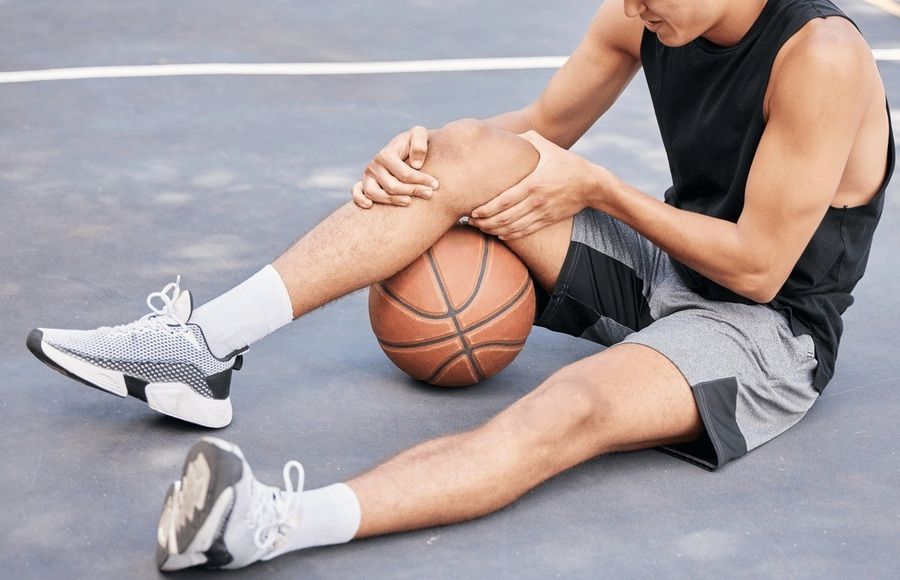
Sometimes all it takes is one wrong move to change the season. Sports injuries can sideline athletes for a few weeks and lead to lasting damage in the joints, tendons, and ligaments that carry the body’s full force and motion. This has led to an increase in joint replacements of more than 200% over the past two decades in people under 65. Shoulder, knee, and hip procedures are among the fastest-growing categories among athletes.
As surgical techniques become more refined and outcomes more predictable, more athletes and active adults are turning to joint resurfacing and replacement surgeries to regain strength, mobility, and confidence. Yet questions often linger: Which procedure is right for me? What’s recovery like? Which approach will lead to the best results? Who’s the best orthopedic surgeon in San Francisco? This article breaks down the most common types of joint surgery and answers the most common questions patients have when exploring their options for getting back on the field.
Joint Resurfacing vs. Joint Replacement: Which is the Right Option?
Joint resurfacing or a partial joint replacement is often the right choice when only one section of a joint is damaged, while the rest of the bone and cartilage remain healthy. During these treatments, surgeons reshape or replace just the worn area, like resurfacing the round head of the shoulder bone or swapping out a single compartment of the knee where arthritis has taken hold.
These surgeries tend to be less invasive, resulting in smaller incisions, less blood loss, and a faster return to activity, as more of the natural bone and ligaments are preserved. They’re often recommended for people with early-stage arthritis or athletes with localized damage who still have strong surrounding tissue. However, when pain spreads across the entire joint or the joint becomes unstable, a total joint replacement may be the more reliable path to lasting relief.
What to Expect When You Get a Total Joint Replacement
Recovering from a total joint replacement can seem overwhelming, but modern surgical techniques have improved how quickly people regain their strength and independence. Most people spend the first few days regaining balance and stability while learning how to move safely without straining the new joint:
For a knee replacement, walking with support usually begins within 24 hours, and many return to daily routines within six weeks
Shoulder replacement recovery often involves guided physical therapy over several months to rebuild the range of motion
Hip replacement patients typically notice steady progress within a few weeks
Most joint replacements last 15 to 20 years or more, depending on age, activity level, and joint type.
Frequently Asked Questions for Joint Replacement Surgery
Patients often have the same questions when they’re preparing for joint replacement surgery:
Risks of joint replacement surgery: Common risks include infection, implant wear, or loosening over time. While complications are uncommon, following recovery instructions closely plays a big role in preventing them.
Returning to physical activity after surgery: Most people can return to low-impact activities like walking, swimming, and cycling, while high-impact sports or heavy lifting are usually discouraged to protect the new joint. Realistic expectations are key. Your goal should be comfortable, confident movement, not necessarily the ability to sprint or squat like before the injury.
Recovery success depends on consistent physical therapy and daily movement that keeps the joint flexible. Maintaining a healthy weight also reduces stress on implants and can extend their lifespan. Choosing the best orthopedic surgeon in San Francisco, who performs a high number of replacements each year, is another factor linked to better outcomes and fewer complications.
Finding the Best Orthopedic Surgeon in San Francisco for Sports Injury Treatments
A strong recovery starts with a surgeon who sees more than the injury in front of him. At our clinic, Dr. James Chen (https://jameschenmd.com/dr-chen/) takes the time to understand each athlete’s story, including the moment the pain began, the goals that keep them motivated, and the fears that come with being sidelined.
As a fellowship-trained, board-certified orthopedic surgeon, Dr. Chen brings advanced skill in arthroscopic and minimally invasive techniques that shorten recovery and leave smaller scars. We specialize in treating sports-related injuries of the knee, shoulder, elbow, hip, and ankle, using precision and care to guide every patient back toward motion with confidence.
Ready to get expert care that will get you back to doing what you love quickly with the best orthopedic surgeon in San Francisco?